Bulbs on the Sill: A Room-by-Room Plan for a Scented Winter

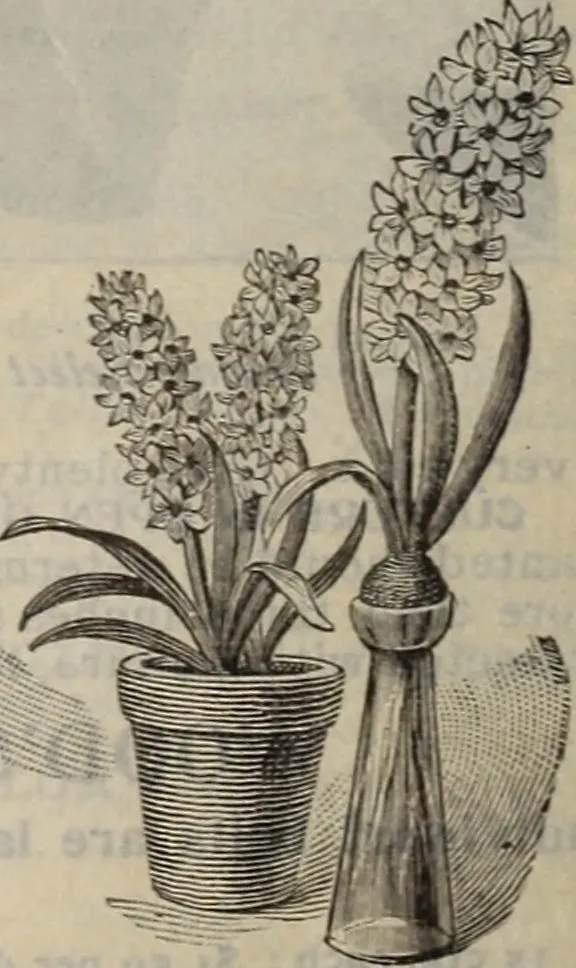
Photo: hyacinth paperwhite amaryllis bulbs in terracotta pots on British cottage windowsill winter, via i.etsystatic.com
The November windowsill is one of the most underused pieces of real estate in a British home. By the second week of the month the light has gone thin and low, the sill is often cold, and the temptation is to leave it bare until spring. But this is exactly the moment to treat it as a garden room: a small, changeable, slightly demanding space with its own microclimate. Get it right and you can have scent in the hall, colour in the kitchen and something worth turning towards in the sitting room, right through the darkest weeks.
Start with the sill, not the bulb
Before you order a single bulb, look at what you are asking it to grow in. A windowsill that faces south may be bright, but it can also be hot and dry, especially above a radiator. An east-facing sill is cooler and gentler, which suits hyacinths and paperwhites far better than a stuffy south-facing spot. A north-facing sill is fine for cooling bulbs while they root, but once they are growing they will lean and sulk without decent light.
Measure the depth, too. A metre of sill can hold three pots, not ten. Leave space between them so air can move and so you can turn each pot without knocking the lot over. Use saucers or shallow trays, and lift terracotta pots onto little feet or bottle caps if condensation is a problem. In older houses with sash windows, keep pots back from the glass and away from heavy curtains; a cold draught at night and a warm curtain by day is a confusing life for a bulb.
Three bulbs, three clocks
Paperwhites are the quickest and the most generous. Planted in the first week of November, they should flower somewhere around the middle of December, depending on warmth and light. They take roughly four to six weeks from planting to bloom. For a Christmas display, plant a batch now and keep them cool and bright; for New Year, plant another batch in mid-November. Paperwhites in soil tend to stand up better than those grown in pebbles and water, though the pebble method is still lovely in a shallow bowl.
Amaryllis are the show-offs. A dry bulb planted in early November usually flowers somewhere between Christmas and mid-January, taking roughly six to eight weeks. Plant it in a pot only a couple of centimetres wider than the bulb, with the top third of the bulb above the compost. Keep it warm and bright, and stake the flower stem before it needs rescuing. If you want an amaryllis for late January, plant a second bulb in late November.
Prepared hyacinths are the ones that need a little forward planning. They need a cool, dark rooting period of around eight to ten weeks before being brought into warmth and light. Planted in the first week of November, they are more likely to flower in late January or early February than at Christmas. If you want hyacinths actually in flower on 25 December, buy a pot that is already rooted and showing a fat bud; starting from dry bulbs now is a recipe for January. For late-January scent, plant prepared hyacinths this week and keep them somewhere cold and dark until the shoots are a few centimetres tall.
Containers with cottage manners
The pot matters as much as the bulb. Cottage interiors forgive a lot, but they do not forgive a plastic tub with a barcode on it. Terracotta is always right, especially once it has weathered a little. Zinc buckets, cream enamel jugs, old china bowls and shallow stoneware dishes all work if they have drainage or if you use a hidden inner pot. A piece of moss pressed over the compost finishes the job and stops the whole thing looking like a supermarket display.
For amaryllis, choose weight. A tall stem in a light pot will topple at the first clumsy elbow. For paperwhites, a shallow bowl with a layer of gravel or compost is enough. For hyacinths, individual small pots grouped in a basket look better than one crowded trough, and they allow you to move each one as it comes into flower.
Light, heat and the British window
Paperwhites and hyacinths want cool, bright conditions. A warm sitting room will push them too fast, giving you soft, floppy stems and a short flowering period. Amaryllis is happier with a little more warmth, but still wants good light. None of them want to sit directly above a radiator or behind a closed curtain in a dark corner.
Rotate each pot a quarter turn every day or two. This is not fussing; it is how you stop a flower spike from launching itself through the glass. Check compost daily, but water sparingly. Bulbs in small pots rot quickly if they sit wet. Water around the edge of the pot, not over the bulb itself, and let the surface dry a little between waterings.
A room-by-room placement plan
The hall or porch is the place for hyacinths. Their scent is strong enough to meet you at the door without overwhelming the room, and the cool air will keep them going for longer. A single pot on a hall table, with a small saucer and a folded cloth underneath, is enough.
The kitchen windowsill suits paperwhites. They are cheerful, slightly unruly and don't mind being watched while the kettle boils. Keep them away from the steam of the hob and turn them regularly. A shallow bowl of paperwhites next to a bowl of oranges is one of the small, cheap pleasures of December.
The sitting room is amaryllis territory. One bold pot, perhaps in a cream enamel bucket, placed where you can see it from your favourite chair. Don't hide it in a corner. Amaryllis is a piece of theatre, and theatre needs an audience.
The bedroom can take a single hyacinth, but only if you like a strong scent at night. Paperwhites are too much for many people in a small room. A cool bathroom windowsill, if you have one, is often the best place for a spare pot: bright, slightly humid, and away from central heating.
Water, rotate, repeat
Once flowers open, move pots out of direct sun to make them last. Keep them cool if you can. Paperwhites may need a discreet loop of twine around the stems; amaryllis will need a slim cane. After flowering, hyacinths can be planted out in the garden once the soil has warmed and the leaves have died back. Paperwhites are best treated as a one-off indoors. Amaryllis can be kept growing on a sunny sill and coaxed into flower again another year, though it is a slow business.
The point is not to create a perfect display. It is to give each room a small, living thing to look at when the garden outside is doing very little. A windowsill with three pots, a saucer and a bit of moss is a garden room in miniature. In November, that is worth more than it sounds.