The Cold-Season Shortlist: What to Buy Bare-Root When Space Is Tight
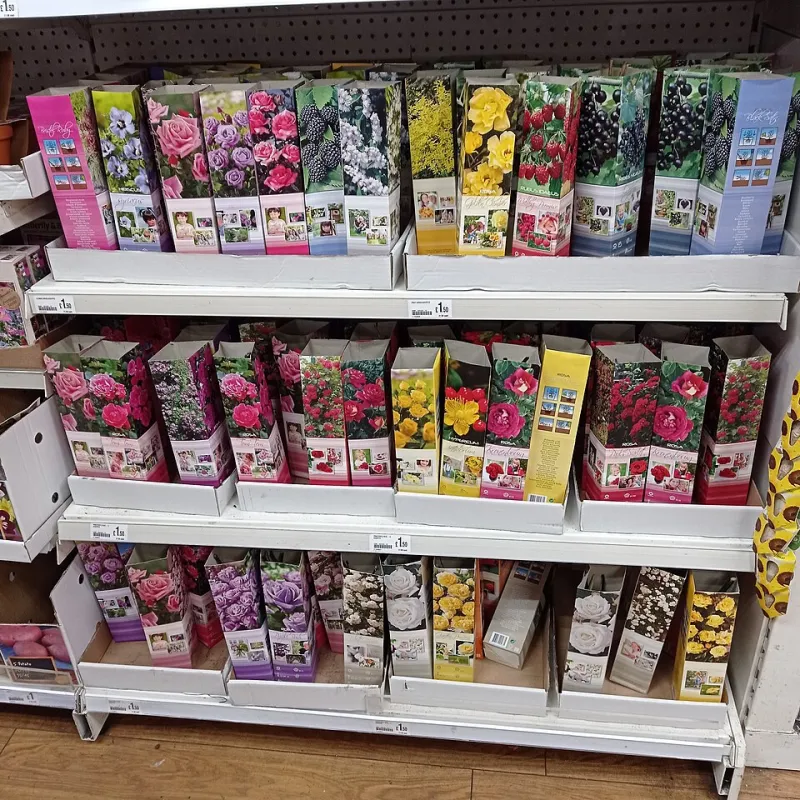
Photo: Philafrenzy, CC BY-SA 4.0, via Wikimedia Commons
Mid-November is an odd moment in the garden. The last leaves are hanging about, the light has gone flat, and most of us are thinking about putting tools away rather than starting something new. But this is exactly when the bare-root catalogues come into their own. Order now, plant while the soil still has a little warmth in it, and by June you have a garden that looks as if it has been thinking about summer for months.
Begin with the space you actually have
Before any order goes in, do a small-garden audit. Not the hopeful version where the border is stretched by imagination, but the real one. Measure the width of the bed, note where the shade sits at noon, and check how much room a plant can take without meeting a path, a bin store or the neighbour’s fence. Bare-root plants arrive small, which is part of their charm, but they do not stay that way.
A useful rule for cramped plots is to buy for the plant’s final size, not its first season. A compact rose might finish at 90cm by 75cm; a blackcurrant wants a metre or so; a yew hedge will sit patiently for years and then decide it has opinions. If a plant needs more room than you can give it, the garden will tell you by midsummer, and it will not be subtle about it.
Also decide where the bare-root plant is going before it arrives. A bucket is a fine temporary home, not a plan. In November 2026, with nurseries sending out orders in waves, it is easy to end up with three parcels and nowhere to put them. Mark the spots with canes, or at least take a photo of the border and scribble on it. Future you will be grateful.
Why bare-root suits a tight plot
Bare-root plants are lifted from field soil while dormant and sent without compost around their roots. That sounds austere, but it is often the best way to buy roses, fruit bushes and hedging. You get a larger root system for the money, a wider choice of varieties, and none of the plastic-pot bulk that makes a small garden feel crowded before anything has even grown.
The window is roughly November to March, though the best planting weather usually comes before Christmas. Soil is still workable, rain is doing its slow soaking, and roots can settle before spring asks them to perform. Ordering in November also means you are less likely to be sent a substitute variety that someone else snapped up in February.
There is a caveat: bare-root plants are not ornaments. They arrive looking like sticks with ambitions. If you want instant effect, this is not the route. If you want a garden that fills out properly by early summer, it is hard to beat.
The shortlist: roses, fruit and hedging
For a small cottage garden, I would keep the bare-root order tight: one or two roses, a couple of fruit bushes, and hedging only if the boundary genuinely needs it.
Roses are the obvious place to start. Look for compact shrub roses rather than climbers unless you have a wall going spare. David Austin’s ‘Desdemona’ and ‘Olivia Rose Austin’ are both generous without becoming bullies, while ‘Darcey Bussell’ stays neat enough for a mixed border. Species roses such as Rosa gallica officinalis earn their space too, though they sucker and need a firm hand. If blackspot has been a problem, choose a variety with decent resistance rather than spending the summer spraying.
Fruit is where bare-root buying really pays. Blackcurrant ‘Ben Sarek’ is compact and reliable; gooseberry ‘Invicta’ crops well and has thorny opinions about pruning. Autumn-fruiting raspberries can be planted as bare-root canes, but they will spread, so give them a corner where they can be contained. Blueberries need ericaceous soil, which is a commitment in a border; grow them in a pot if you must have them.
Hedging is the category that most often goes wrong in small gardens. Yew is slow, dark and forgiving, but it wants a proper line. Hornbeam holds its leaves in winter and tolerates a tighter spot. Beech is similar but less happy on wet clay. Box is fine until blight arrives. If the boundary is already fenced, ask whether a hedge is really needed or whether climbing plants would do a lighter job.
Planting: borders first, pots second
In the border, dig a hole wide enough to take the roots without cramping them, but not so deep that the plant sinks. Bare-root roses should sit with the graft union just below soil level; fruit bushes at the same depth they grew before. Fork the base and sides, add a little compost if the soil is poor, and firm gently as you backfill. Water well even if rain is forecast, then mulch with well-rotted organic matter, keeping it clear of stems.
Pots are a different bargain. A bare-root rose can be grown in a container of at least 35–40 litres, but it will need more water and feeding than a border plant. Use a peat-free soil-based mix if you can find one, add drainage crocks, and raise the pot on feet so winter rain can escape. Fruit bushes in pots are possible but hungry; hedging in pots is usually a short-term arrangement, not a long-term design.
If the ground is waterlogged or frozen when the parcel arrives, heel the plants into a spare patch of soil or a bucket of damp compost and plant them when conditions improve. Do not let roots dry out, and do not leave them sitting in a bucket of water for a fortnight.
Winter: less coddling, more checking
Bare-root plants do not need mollycoddling, but they do need looking at. Check ties and stakes after wind, firm young plants back in after frost lifts the soil, and keep an eye out for rabbits or deer if they visit. A winter mulch helps, but leave a gap around stems. If you planted into pots, move them out of the worst wind and check the compost isn’t frozen solid for weeks on end.
By March, buds should be breaking. By June, the difference between a bare-root stick and a settled plant is usually obvious. That is the quiet pleasure of a November order: it asks for a little faith now and gives back a garden that feels established just as the roses open.