From Wheelie Bins to Wisteria: Rethinking the Passage Beside the House
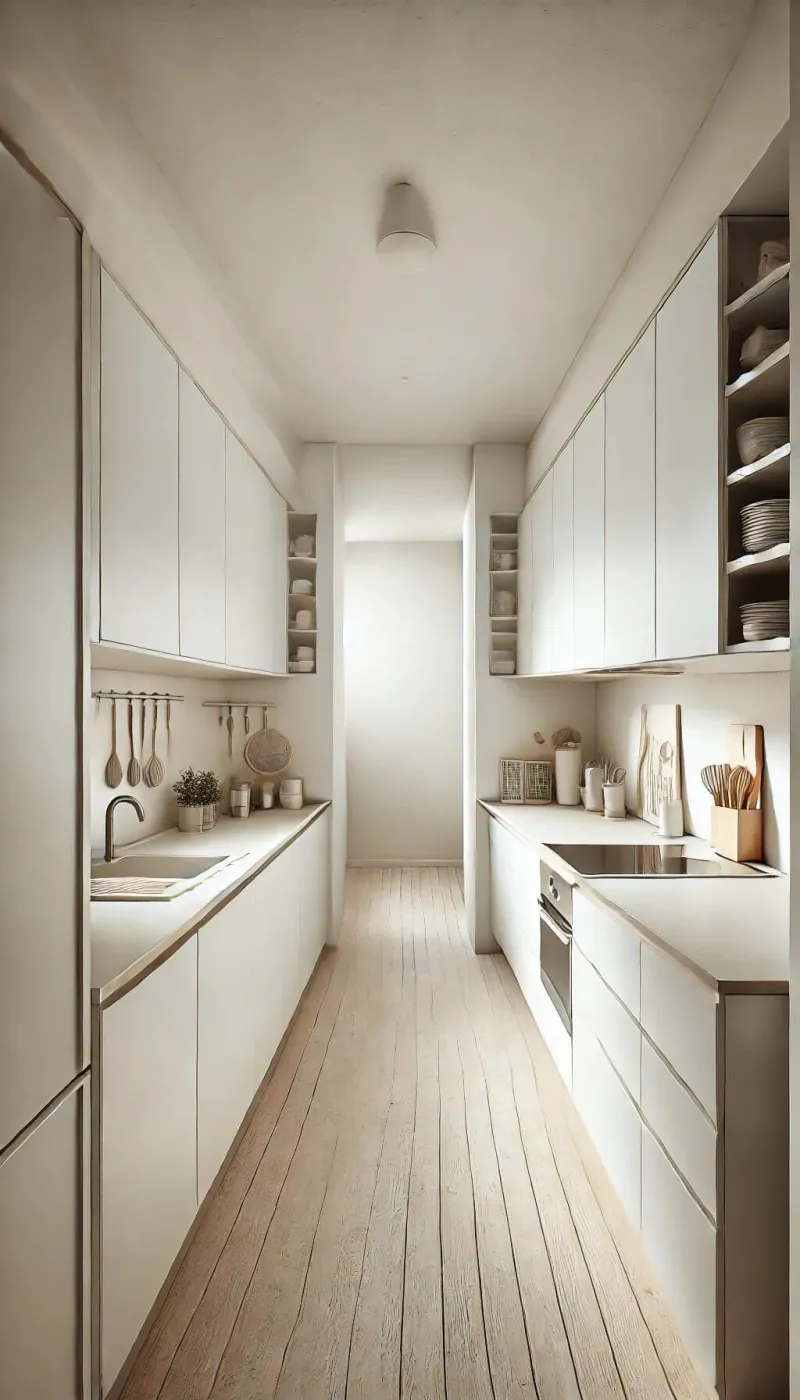
Photo: narrow side return garden passage gravel pots climbers UK terraced house cottage garden, via i.pinimg.com
Every British house seems to have one: the narrow ribbon of ground between the house and the boundary, usually home to wheelie bins, a coiled hose, a bike or two and a bag of compost that never quite made it to the shed. At The Flowercroft, we think the side return deserves better. Not because every inch has to be productive, but because this strip is the first and last thing you see when you move between front and back. Treat it as a garden room — a slim, shady one — and the whole house feels more considered.
The good news is that side returns are forgiving. They are often sheltered, close to the kitchen tap and overlooked by nobody except the neighbour's upstairs window. The less good news is that they are usually dark, dry and narrow, so the usual cottage-garden approach needs a little editing. Think less billowing border, more quiet planting, good edges and a clear route.
Begin with the daily route, not the plants
Before you order gravel or fall for a fern, walk the passage at different times of day. Note where light falls, where water sits after rain and where the bins actually need to go. A side return works best when it has a clear line from front to back — ideally around 80–90cm of unobstructed width for comfortable carrying — with a separate utility lane for storage. If that sounds grand, it simply means keeping the bins and bike to one side so the route does not become a slalom.
This is also the moment to decide what the passage is for. Is it a shortcut, a place to store the recycling, a way to reach the back tap, or all three? Naming those jobs stops the space sliding back into dumping ground. A side return with a purpose is much easier to plant around than a side return with none.
Planting for low light and dry shade
Most side returns are shady and rain-shadowed by the house, so plants need to cope with dry shade rather than woodland damp. Improve the soil first with compost and leaf mould, then choose plants that do not sulk. Epimedium, hellebores, Geranium macrorrhizum, sweet woodruff, Luzula and most ferns will settle in well. Sarcococca is worth its space for the winter scent alone, and ivy is useful as a ground cover where nothing else will grow — just keep it away from weak fences and young trees.
For fragrance, climbers are the real side-return heroes. Honeysuckle, winter jasmine and climbing hydrangea will cope with a north-facing wall, while Trachelospermum is worth trying in a sheltered spot. Fix wires or slim trellis to the wall rather than bulky panels, and tie stems in loosely. The aim is a soft veil of green, not a hedge in a hurry. A little self-seeding — Welsh poppies, foxgloves, alpine strawberries — adds the cottage-garden looseness without demanding much.
Ground that earns its keep
Gravel is the forgiving choice for a side return: it handles drips from boots, disguises odd levels and sounds pleasing underfoot. Use a decent depth, edge it properly and keep a solid pad for the bins so the wheels do not sink. Clay pavers or brick setts are another good option, especially in a herringbone or running bond that echoes the house. Avoid slippery polished stone and anything too pale where algae will show. If drainage is poor, dig in a little grit and create a slight fall away from the house rather than letting water pool by the back door.
Slim storage that stops the slide into clutter
Storage needs to be narrow and specific. A slim bin store keeps the wheelie bins out of sight without eating the path. Wall-mounted bike hooks lift cycles off the ground, and a shallow lidded bench gives you somewhere to sit while pulling off boots — and somewhere to hide the secateurs. A narrow shed, perhaps only 60cm deep, can hold tools, pots and bird food without turning the passage into a corridor of clutter. The rule is simple: if it does not have a home, it will become an obstacle.
A pots procession that makes the journey deliberate
A few pots do more for a side return than a whole border. Use two or three generous containers, repeated in the same colour, to mark the route from front to back. Shade-tolerant choices include ferns, skimmia, sarcococca, ivy and winter box. Pale pots lift a dark passage, while terracotta warms it. In November, plant a pot with an evergreen fern and a little ivy, then tuck spring bulbs underneath for a February surprise. Keep pots off the main walking line and raise them slightly on feet so water drains freely.
Privacy without a fortress
Side returns often face a neighbour's wall or window, so privacy matters. Climbers on wires add height without stealing much ground, and a slim trellis can break up a blank fence. Check boundary heights and talk to your neighbour before adding anything substantial; good manners are part of good design. Avoid planting vigorous ivy directly against a fragile fence — give it its own support instead. The aim is a green screen, not a boundary dispute.
A maintenance rhythm for a passage nobody lingers in
A side return does not need much, but it does need a rhythm. Sweep once a week, clip climbers after flowering, top up gravel when it thins and check ties before winter gales. Water pots in dry spells, even under the eaves, and pull out the odd weed before it becomes a thicket. If the passage is dark, a simple wall light or two makes the journey feel intentional on winter afternoons.
None of this turns a side return into a grand garden. It does something better: it makes the everyday route from front door to back feel cared for. Bins still need a home, bikes still need hooks, but the strip beside the house can also offer scent, green and a little cottage-garden softness. That is a very good use of a space you never really noticed.