A Path-Side Patch That Keeps the Vases Full: Planning a Micro Cutting Garden
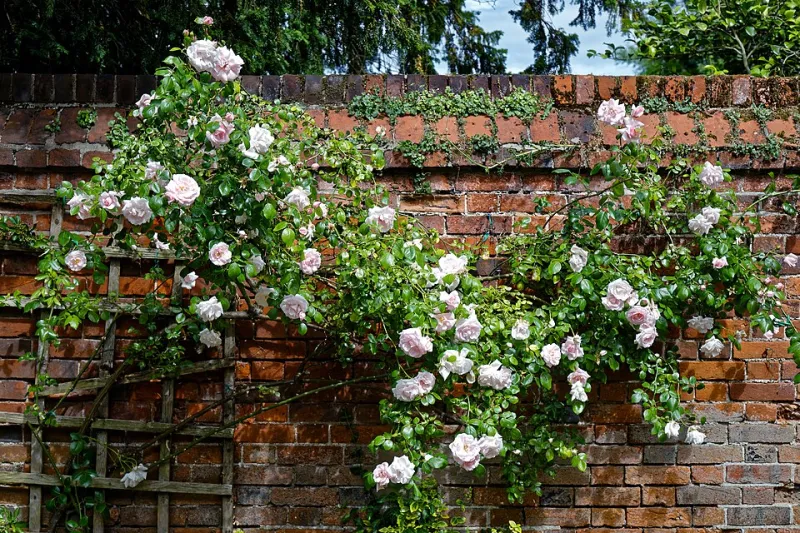
Photo: small cutting garden with sweet peas and dahlias beside gravel path in UK garden, via housekeen.com
The strip beside the path is rarely a design statement. It is a place for bins, a muddy shortcut, a line of tired lavender. But three square metres is enough to keep a small house in flowers from April to October, if you treat it like a tiny market garden rather than a border. This is not about cramming in every pretty thing. It is about choosing plants that earn their place in a vase.
As November 2026 arrives, the planning window is open. Order tulips and narcissi, decide on dahlias, and prepare the strip. If you sow hardy annuals in autumn or early spring, you can be picking by late spring.
The bed: three metres by one
Measure it. A strip 3m long and 1m wide gives you three square metres. That is enough for a back row of taller plants against a fence, a middle row of medium stems and a front edge of low fillers. Leave a narrow footgap so you can actually reach the back without trampling everything.
In the back row, put sweet peas on an obelisk at one end, then dahlias and cosmos. In the middle, scabiosa, calendula and ammi. At the front, nigella, cornflower and a low edging of something like dwarf rudbeckia or parsley. Underneath it all, plant bulbs in autumn: around 60 tulips, 30 narcissi and 15 alliums. That sounds like a crowd, but they come and go before the annuals need the space.
Quantities for the first year: 12 to 15 sweet pea plants, sown in two batches; three dahlia tubers; six cosmos; nine ammi; six scabiosa; six calendula; 12 nigella; 12 cornflower. This is a rolling programme, not a single planting. Some will be pulled before others peak.
What earns its place
A cutting garden plant needs three things: decent vase life, a willingness to be cut, and a reason to be there beyond a pretty face. Scent helps. Hardy annuals are the backbone: sweet peas, calendula, cornflower, nigella, ammi majus, scabiosa and clary sage. They are cheap, fast and generous. Half-hardy annuals such as cosmos and zinnia can follow once the soil warms, though zinnia needs a sheltered, sunny spot in most of the UK.
Perennials and tender tubers add bulk. Dahlias are the obvious choice because the more you cut, the more they flower. A couple of salvia or penstemon can fill gaps, and mint or rosemary gives foliage. Bulbs are the early engine: tulips, narcissi, alliums and ranunculus. Avoid plants that drop in the vase within a day unless you are growing them for seedheads. Poppies are beautiful; they are not reliable vase material.
Succession sowing calendar
Autumn is for hardy annuals and bulbs. Sow cornflower, nigella and calendula direct where they are to flower, and plant tulips and narcissi. Sweet peas can be sown in autumn under cover, though mice and damp take their share.
Spring is for catching up. Sow more hardy annuals in March and April, and plant out any sweet peas raised under cover. In May, sow half-hardy cosmos and zinnia, and make a second sowing of nigella and cornflower. Repeat every three weeks until early July for a steady supply rather than one glut.
Plant dahlias out after the last frost, usually late May or early June. Pinch out the tips for bushier plants. Feed and water through summer, and keep cutting. A cutting garden that is never picked becomes a seed factory and stops producing.
The picking schedule
Sweet peas need picking every two to three days, or they go over. Dahlias are best cut every three or four days, ideally in the morning when stems are full. Cosmos and calendula can be picked weekly. Cut deep on annuals; they are grown for this. Take a bucket of water with you and plunge stems straight in. Condition them in a cool, dark place for a few hours before arranging. Sharp snips make a difference; bruised stems rot.
Tulips are cut in April and May, alliums in May and June, sweet peas from June to September, calendula from May to October, cosmos from July to the first frost, and dahlias from July until the frost blacks them. Deadhead everything you do not cut. Feed fortnightly through the growing season.
Realistic advice for a strip beside the path
Do not overplant. Leave 30cm for your feet and a little air around the plants. Use a support at the back for sweet peas and dahlias. Mulch after planting, water in dry spells and accept that slugs will take a tax. If your strip is only 1m by 1m, scale down: six sweet peas, two dahlias, six annuals and 20 tulips. Choose eight to ten varieties rather than thirty. Twelve vases across a season is realistic if you pick small posies and keep on top of the cutting. The point is not to compete with a flower farm. It is to have something scented and homegrown on the kitchen windowsill in 2026.