The Wall That Misses the Weather: Gardening in the House's Rain Shadow
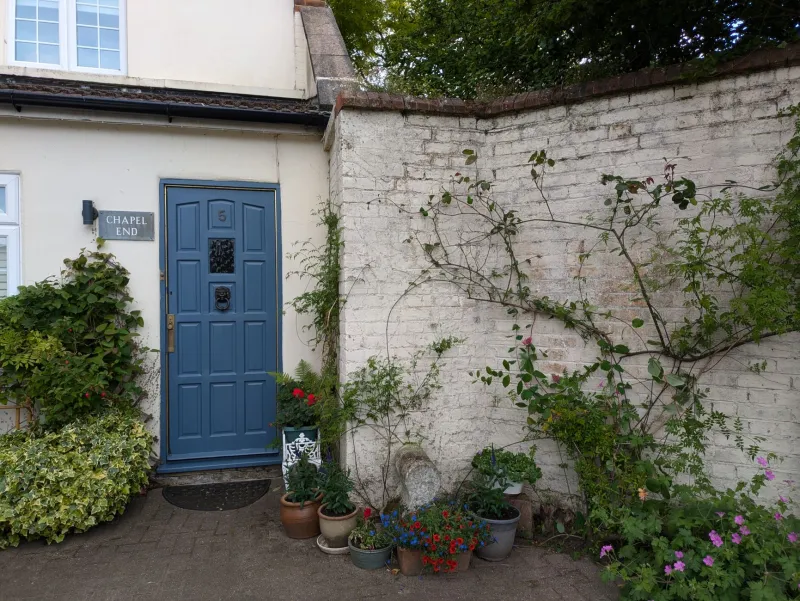
There is always one wall of a house that seems to live under an umbrella. The gutter overflows somewhere else, the paving two feet away is glossy, and yet the border beneath the eaves is dusty enough to raise a puff of summer. It is not a failure of your gardening; it is architecture doing its quiet thing. The overhang blocks the rain, the wall stores heat or casts shade, and the soil below spends most of the year being either parched or sulking. The good news is that this rain-shadow strip can still feel like the Flowercroft sort of garden: soft, scented, a little unruly, and full of small pleasures. It just needs a different conversation with the weather.
First, work out what you are actually dealing with
A rain shadow is rarely just "dry". Before you buy a single plant, spend a wet week watching that strip. Does the rain reach the first six inches only? Does water run off the wall and soak one end while the other stays dust? Is the border in sun for part of the day, or does the house keep it in cool shade until late afternoon? Dig a small hole and feel the soil at spade depth. If it is pale, gritty and collapses through your fingers, you have fast drainage. If it is sticky and solid, you may have compaction or heavy clay that is dry on top and airless below. Both are fixable, but they ask for different plants.
Also look up. The width of the eaves, the height of the gutter and the direction of prevailing wind all matter. A south-facing wall may bake the strip even in a British summer, while a north-facing one can stay cold and dry for months. That difference should decide whether you aim for drought-tolerant sun lovers or woodland-ish plants that tolerate dry shade. Guessing is the main reason these borders fail.
Repair the soil without turning it into a project
Dry soil under an overhang is often poor soil, but it is rarely hopeless. The instinct is to dig in bucketloads of manure and water it in. On a narrow strip, that can do more harm than good, especially if the ground is compacted. Start by clearing weeds, then fork over the top few inches without turning the whole border upside down. Spread a generous layer of garden compost or leafmould, around five to eight centimetres, and let the worms and weather take it down. Mulch again in autumn. This does two jobs: it feeds the soil slowly and it slows evaporation from the surface.
If the border is very shallow or sits over rubble, don't fight it. Build a slightly raised bed with a mix of topsoil and compost, or accept that the strip will be a container garden in disguise. In either case, plant small and plant young where you can. Tiny plants establish faster in a rain shadow than large, lush specimens that arrive expecting irrigation.
Plants for the dry side, with a cottage accent
The plant list should be led by survivors, not divas. For dry shade, think epimedium with its delicate spring flowers and handsome leaves, Geranium macrorrhizum in its many forms, brunnera for forget-me-not blue, and hellebores for winter and early spring. Sarcococca is a quiet hero: glossy evergreen leaves, tiny winter flowers and a scent that drifts further than it has any right to. Ferns such as Dryopteris filix-mas give the border its soft, ancient texture. Add lamium for ground cover, heuchera for colour, and perhaps a little euphorbia where you want architecture and can keep it in check.
For a sun-baked strip, lavender, santolina, cistus, veronica and hardy geraniums will cope far better than moisture-loving cottage favourites. Even then, the first summer is a probation period. Water at planting, mulch well, and resist the urge to fill every gap immediately. Bulbs are useful here because they often flower before the dry season bites: cyclamen, muscari, alliums and small narcissi can bring spring colour without demanding summer moisture.
Pots are not a cop-out
A narrow rain-shadow border is one of the few places where containers genuinely earn their keep. They lift plants out of poor soil, let you control the compost, and allow you to move colour around as the season changes. Group a few pots near the door or beneath a window, where you will actually see them. Use a loam-based compost that holds water better than a fluffy peat-free mix alone, and top the pots with gravel or slate to reduce evaporation. If you can, choose slightly larger pots than you think you need; small pots dry out in hours on a hot wall.
This is also the place to cheat politely. A pot of mint by the kitchen door, a scented pelargonium on a chair, a trough of sempervivums on a sunny sill: none of these need the border to be perfect. They simply make the awkward wall feel considered.
Catch the rain you do get
A rain shadow is not a desert. The roof above it is collecting plenty of water, even if the border beneath stays dry. A gutter diverter connected to a small water butt or a slimline tank can turn that wall into a useful water source. If space is tight, a simple diverter kit can feed a soaker hose or a drip line along the border, releasing water slowly rather than letting it run off the paving. For pots, a wick or a small ollas-style reservoir can keep compost evenly moist without daily fuss. None of this needs to be elaborate. A watering can kept beside the back door is still one of the most effective garden tools ever invented.
Make the awkward wall feel generous
Design-wise, the rain-shadow border wants layers rather than width. Use upright plants against the wall, mounding plants in the middle, and low creepers at the front. Add a mirror or a pale wall wash only if it suits the house; otherwise let foliage do the work. A small seat, a bird bath, or a row of pots can make the strip feel like a destination rather than the place where the hosepipe lives. Cottage gardening is not really about perfect soil. It is about generosity of spirit: allowing plants to lean, self-seed and soften the edges. Even a wall that misses the weather can do that, once you stop expecting it to behave like the rest of the garden.